
May

Watches as a Reflection
Watches have always mirrored the stage of human development. In every era, the design, function, and meaning of a watch reflect the priorities, technologies, and values of society at that time. From early mechanical creations to modern intelligent wearables, watches tell a story not only of timekeeping but of human ambition and evolution.
One of the most fascinating aspects of watches is how they capture the relationship between humans and time itself. Time is invisible, continuous, and unstoppable, yet watches give it form and structure. This transformation allows people to interact with time in a practical and psychological way. A watch on the wrist is a constant reminder that every moment has value, encouraging awareness and intention in daily life.
In the past, owning a watch was considered a privilege. Mechanical timepieces required skilled craftsmanship and were often expensive and rare. They were associated with prestige, professionalism, and status. Over time, advancements in manufacturing made watches more accessible, allowing a wider audience to experience precision timekeeping. This democratization of watches did not reduce their significance but instead expanded their cultural presence.
Today, watches exist in an environment filled with competing technologies. Smartphones, tablets, and other digital devices provide instant access to time and information. Despite this, wristwatches remain relevant because they offer something beyond function. They provide identity, style, and emotional connection. A watch is not just about what it does, but about what it represents.
The craftsmanship behind traditional watches continues to be highly respected. Each mechanical movement is a result of careful engineering and artistic discipline. The process involves designing tiny components that must interact with extreme precision. The balance between energy, motion, and regulation is delicate, and achieving reliability requires deep expertise. This craftsmanship transforms watches into lasting artifacts rather than disposable objects.
In contrast, modern smart watches represent the integration of technology and lifestyle. They are designed to extend the capabilities of digital ecosystems, offering communication, fitness tracking, and real-time data analysis. These devices reflect a shift toward connected living, where information is constantly available and personalized. They are practical tools for modern life, but they also redefine what a watch can be.
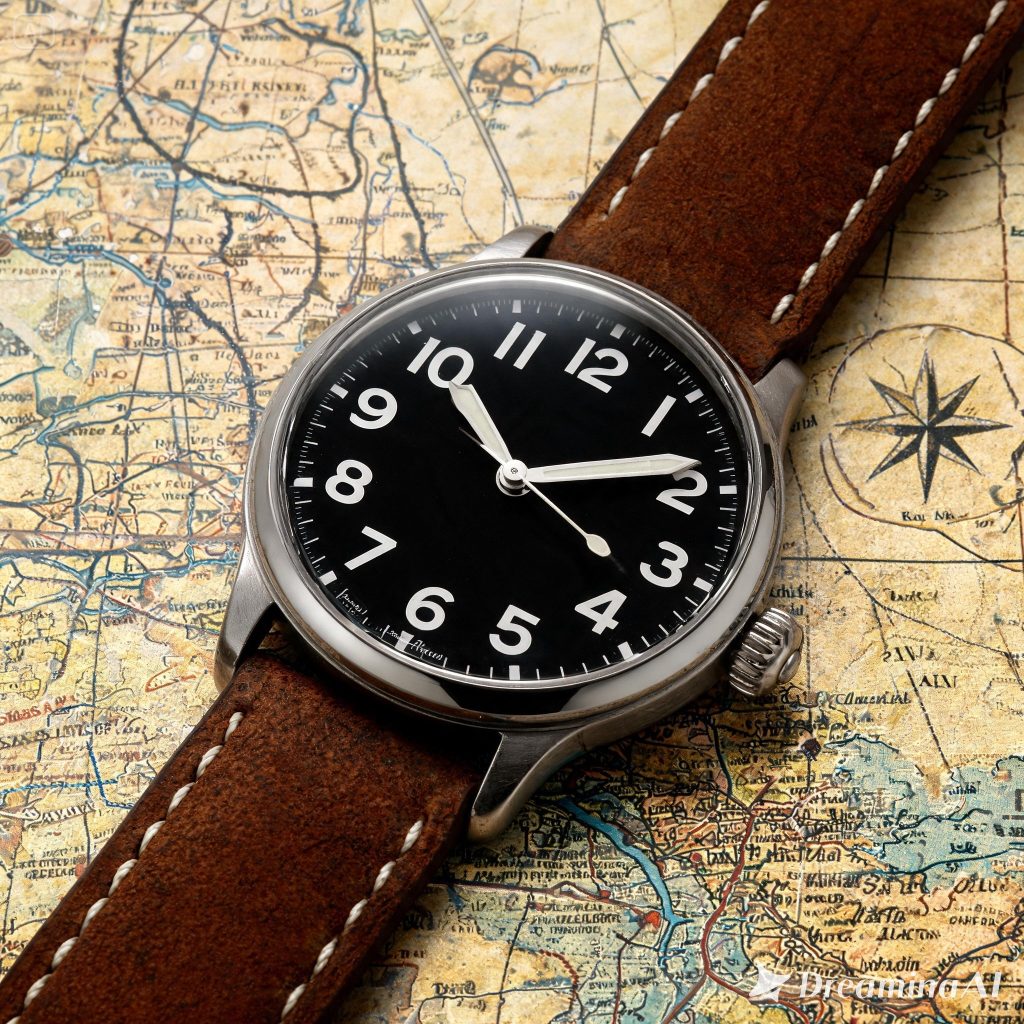
Despite this technological evolution, there is still a strong appreciation for traditional aesthetics. Many people prefer watches that emphasize simplicity and timeless design. Clean dials, balanced proportions, and subtle details create a sense of elegance that does not depend on trends. These designs remain relevant because they focus on clarity and harmony rather than complexity.
At the same time, innovation in materials continues to reshape watchmaking. New engineering techniques allow for stronger, lighter, and more durable components. Advanced composites and refined metals improve performance while maintaining visual appeal. These developments demonstrate how tradition and innovation can coexist without compromising identity.
Watches as a Reflection of Human Progress and Future Identity
The emotional value of watches is one of their most defining characteristics. Unlike many modern products, watches often carry personal history. They may be linked to achievements, relationships, or significant life events. Over time, they become symbolic objects that represent memories and experiences. This emotional depth is what gives watches a unique position among personal accessories.
Watches also influence behavior in subtle ways. Wearing a watch encourages a more structured awareness of time. Instead of reacting passively to digital notifications, the wearer develops a more intentional relationship with their schedule. This can lead to improved focus, discipline, and productivity. The presence of a watch creates a quiet sense of order in everyday life.
In professional contexts, watches continue to communicate subtle social signals. They reflect attention to detail, reliability, and personal style. A carefully selected watch can enhance presence and complement formal or casual attire. Even without speaking, it conveys a sense of refinement and awareness.
Collectors view watches through a different lens. For them, each timepiece is part of a larger narrative that includes history, design evolution, and technical achievement. Collecting watches becomes a journey of learning and appreciation. It involves understanding movements, materials, and design philosophies. Over time, collections often reflect not just taste but also personal growth and passion.
The future of watches will likely continue blending multiple identities. Mechanical craftsmanship will remain a symbol of tradition, while digital integration will expand functionality. Hybrid designs may become more common, combining physical artistry with intelligent features. This fusion represents a natural progression in a world where technology and human experience are increasingly interconnected.
Sustainability will also shape the next generation of watches. As awareness of environmental impact grows, manufacturers are focusing on long-lasting design and responsible production. Watches are being designed not only to perform well but also to minimize waste and encourage longevity. Repairability and durability are becoming essential values in modern horology.
Culturally, watches will continue to evolve as expressions of identity. They will remain linked to milestones, achievements, and personal stories. However, their meaning may expand to include digital identity and lifestyle integration. A watch may represent not only who a person is but also how they live and interact with technology.
The artistic side of watch design is also expected to grow. Designers are increasingly experimenting with unconventional shapes, textures, and visual concepts. Watches are becoming more expressive, moving beyond strict functional design into the realm of wearable art. This evolution allows for greater creativity while maintaining technical precision.
Even with all these changes, the core essence of watches remains unchanged. They are still about time, presence, and human connection. Whether mechanical or digital, simple or complex, watches continue to serve as companions in everyday life. They remind people that time is always moving, and every moment carries significance.
Ultimately, watches represent a rare combination of permanence and evolution. They preserve centuries of craftsmanship while continuously adapting to new technologies and lifestyles. This balance is what ensures their lasting relevance.
In a world that changes rapidly, watches remain steady. They connect past traditions with future possibilities, technology with emotion, and function with identity. Their story is not ending or being replaced, but continuously rewritten with each generation.
The emotional value of watches is one of their most defining characteristics. Unlike many modern products, watches often carry personal history. They may be linked to achievements, relationships, or significant life events. Over time, they become symbolic objects that represent memories and experiences. This emotional depth is what gives watches a unique position among personal accessories.
Watches also influence behavior in subtle ways. Wearing a watch encourages a more structured awareness of time. Instead of reacting passively to digital notifications, the wearer develops a more intentional relationship with their schedule. This can lead to improved focus, discipline, and productivity. The presence of a watch creates a quiet sense of order in everyday life.
