
Post
The Timeless Elegance of Watches in Modern Lifestyle-2026
May

The Timeless Elegance
Watches have long held a special place in human culture, representing far more than simple instruments used to measure time. They embody craftsmanship, identity, precision, and personal expression. Even in an era where digital devices can instantly display time with absolute accuracy, traditional watches continue to maintain a powerful presence in fashion, engineering appreciation, and lifestyle symbolism.
At their core, watches are a fusion of art and science. The internal mechanism of a mechanical watch is a masterpiece of micro-engineering, where hundreds of tiny components work together in perfect harmony. Each movement is carefully designed to regulate energy, control motion, and ensure consistent performance. This complexity reflects a long tradition of watchmaking that values patience, precision, and dedication.
Beyond functionality, watches have become deeply tied to personal identity. Many individuals choose a timepiece not only for its technical qualities but also for what it communicates about their character. A watch can suggest elegance, confidence, minimalism, ambition, or creativity. It becomes a silent language worn on the wrist, often speaking louder than words in professional and social environments.
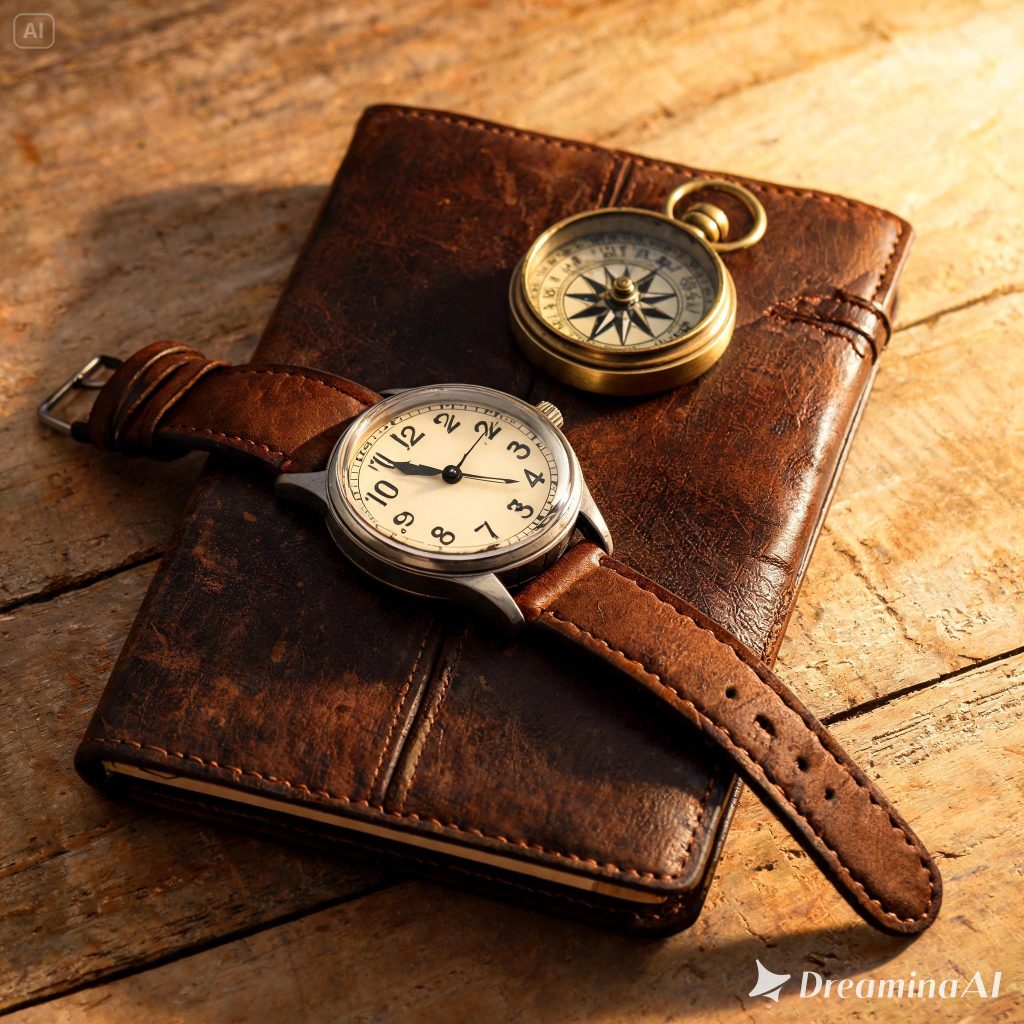
The materials used in watchmaking also contribute to their appeal. Stainless steel remains a popular choice due to its durability and clean appearance. Leather straps bring warmth and tradition, often associated with classic styling. Ceramic and titanium introduce modern innovation, offering lightweight strength and scratch resistance. Precious metals add luxury and prestige, elevating watches into collectible works of art.
Design plays a crucial role in how watches are perceived. Some designs emphasize simplicity, focusing on clean dials and subtle detailing. Others highlight complexity, with visible gears, multiple subdials, and intricate patterns that showcase mechanical artistry. Regardless of style, every design decision reflects a balance between beauty and readability, tradition and innovation.
Watches also carry emotional significance. They are often given as meaningful gifts during important life moments. Such timepieces become lasting reminders of relationships, achievements, or milestones. Over time, they develop sentimental value that far exceeds their material worth. Many individuals treasure watches inherited from family members, viewing them as connections to personal history and legacy.
The Timeless Elegance of Watches in Modern Lifestyle
In professional environments, watches continue to symbolize discipline and responsibility. Wearing a watch can subtly communicate punctuality and respect for time. It also reflects attention to detail and appreciation for refinement. While modern devices can perform similar functions, they lack the aesthetic and symbolic depth that a traditional watch offers.
The evolution of watch technology has introduced a wide spectrum of styles and functionalities. Mechanical watches remain admired for their craftsmanship and heritage. Quartz watches offer reliability and convenience through battery-powered precision. Smart watches integrate digital capabilities, blending traditional wristwear with modern connectivity. Despite these differences, all categories share a common purpose: enhancing the way people interact with time.
Collectors often view watches as long-term investments. Certain timepieces gain value over time due to rarity, craftsmanship, or historical significance. Limited production, unique design features, and association with notable events can elevate a watch into a highly sought-after object. Collecting watches becomes a journey of appreciation, research, and passion rather than simple acquisition.
The global influence of watchmaking is also significant. Different regions contribute unique philosophies and techniques to the industry. Some emphasize traditional handcrafting methods passed down through generations. Others focus on technological innovation and modern production efficiency. This diversity enriches the watch world, creating a broad spectrum of styles and interpretations.
Maintenance is an important aspect of owning a watch. Mechanical timepieces require careful servicing to preserve accuracy and longevity. Skilled artisans disassemble, clean, and reassemble internal components with precision. This process ensures that the watch continues to function smoothly for many years. Even quartz and digital watches benefit from proper care, ensuring durability and consistent performance.
Watches also reflect changes in lifestyle and fashion trends. Minimalist designs have become increasingly popular, reflecting modern preferences for simplicity and elegance. Bold designs with oversized cases and striking colors appeal to those seeking expressive accessories. Vintage-inspired watches remain timeless, drawing inspiration from past eras while incorporating modern improvements.
The psychological relationship between humans and watches is also fascinating. Wearing a watch can create a sense of control over time, encouraging awareness and structure in daily life. It serves as a constant visual reminder of passing moments, helping individuals stay focused and intentional. This subtle influence contributes to productivity and mindfulness.
In creative fields, watches are often seen as extensions of personality. Designers, artists, and innovators may choose distinctive timepieces that reflect their unique perspectives. In contrast, individuals in formal professions may prefer understated designs that emphasize professionalism. This adaptability allows watches to remain relevant across diverse environments and cultures.
The craftsmanship behind luxury watches deserves special recognition. Master watchmakers dedicate years to perfecting their skills. Each component is meticulously shaped, polished, and assembled by hand. The precision required is extraordinary, as even the smallest imperfection can affect performance. This dedication transforms watchmaking into a respected art form.
Marketing and branding also play a role in shaping the perception of watches. Heritage brands often emphasize tradition, storytelling, and legacy. Contemporary brands may focus on innovation, sustainability, and modern aesthetics. Despite differences in approach, successful watchmakers share a commitment to quality and emotional connection with their audience.
Sustainability has become increasingly relevant in the watch industry. Manufacturers are exploring eco-friendly materials, ethical sourcing, and long-lasting design principles. Repairability and durability are emphasized to reduce waste and extend product life cycles. This shift reflects a broader awareness of environmental responsibility within luxury and consumer goods.
The cultural significance of watches extends beyond fashion and engineering. In many societies, watches symbolize achievement, discipline, and aspiration. They are often associated with milestones such as career advancement, personal success, or meaningful celebrations. This symbolic meaning reinforces their role as more than just accessories.
As technology continues to evolve, watches remain resilient in their relevance. While digital devices dominate communication and information access, traditional watches offer a contrasting experience rooted in simplicity and elegance. They encourage appreciation of craftsmanship and a slower, more intentional relationship with time.
Ultimately, watches represent a unique intersection of tradition, innovation, and personal meaning. They connect past and present, blending mechanical heritage with modern lifestyle needs. Whether admired for their technical complexity, aesthetic beauty, or emotional significance, watches continue to hold a timeless place in human culture.
