
Post
The Growing Influence of Luxury Watches in Modern Fashion and Technology-2026
May
The Growing Influence of Luxury
Luxury watches have become one of the most respected and influential accessories in modern society. For decades, these timepieces have represented sophistication, craftsmanship, precision, and personal achievement. Although smartphones and digital technology have changed the way people access time, luxury watches continue to thrive because they provide far more than simple functionality. They symbolize status, confidence, and timeless style while showcasing exceptional engineering and artistic design.
Today, the watch industry blends traditional craftsmanship with advanced innovation. Consumers can choose from a wide variety of styles including chronograph watches, vintage-inspired models, dive watches, minimalist timepieces, and eco-friendly solar-powered designs. Each category reflects different lifestyles and personal preferences, making luxury watches one of the most versatile accessories in fashion.
The continued popularity of premium watches demonstrates that people still value craftsmanship, exclusivity, and emotional connection in an increasingly digital world. Whether purchased as personal rewards, collectibles, investments, or fashion statements, luxury watches remain among the most admired products globally.
The Historical Evolution of Watches
The history of timekeeping dates back thousands of years. Ancient civilizations relied on natural methods such as sundials and water clocks to track the passing of time. While these systems were useful, they lacked portability and precision.
The development of mechanical engineering during the 15th and 16th centuries revolutionized timekeeping by introducing portable watches. Early pocket watches quickly became symbols of wealth and prestige because they were difficult and expensive to manufacture. Skilled artisans handcrafted every component, resulting in highly valuable and decorative timepieces.
The Growing Influence of Luxury Watches in Modern Fashion and Technology
For centuries, pocket watches remained the dominant form of personal timekeeping. However, the transition to wristwatches during the late 19th and early 20th centuries transformed the industry permanently. Wristwatches became especially popular during wartime because they allowed soldiers to check time quickly without using both hands.
As manufacturing techniques improved, watches became more accurate, durable, and stylish. Luxury brands began competing to create the most innovative and elegant timepieces. Today, modern watches continue building upon centuries of craftsmanship while incorporating cutting-edge technology.
Why Luxury Watches Continue to Thrive
One of the most fascinating aspects of the watch industry is its ability to remain successful despite technological disruption. Smartphones may tell time instantly, but luxury watches offer something far deeper: emotional and symbolic value.
For many individuals, a luxury watch represents achievement and success. People often purchase premium watches to celebrate important milestones such as graduations, promotions, weddings, or career accomplishments. These timepieces become lasting reminders of meaningful moments.
Luxury watches also provide a sense of identity and personal expression. Different watch styles communicate different personalities. A minimalist watch may reflect elegance and professionalism, while a bold chronograph design may represent confidence and ambition.
Craftsmanship is another major factor driving the popularity of luxury watches. Unlike mass-produced electronic devices, premium timepieces are created with extraordinary attention to detail. Watchmakers spend years mastering the art of assembling intricate movements, polishing cases, and designing balanced dial layouts.
In addition, certain luxury watches hold investment value. Limited-edition models and iconic collections often appreciate over time due to rarity and strong demand among collectors.
Understanding Watch Technology
Modern luxury watches rely on several different movement technologies. Each type offers unique advantages and appeals to different consumer preferences.
Quartz Movement
Quartz watches are powered by batteries and regulated by quartz crystal vibrations. These watches are highly accurate, affordable, and easy to maintain.
Quartz technology revolutionized the watch industry because it allowed manufacturers to produce reliable timepieces at larger scales. Today, many luxury quartz watches include chronograph systems, date indicators, luminous displays, and water resistance.
Because of their practicality and precision, quartz watches remain popular for both everyday and professional use.
Automatic Movement
Automatic watches operate using mechanical systems rather than batteries. The natural movement of the wearer’s wrist powers the watch by winding an internal rotor.
Many collectors and enthusiasts admire automatic watches because they demonstrate remarkable engineering and traditional craftsmanship. Automatic movements are often visible through transparent case backs, allowing owners to appreciate the complexity of the mechanism.
Although these watches may require occasional servicing, they are considered masterpieces of mechanical artistry.
Solar-Powered Technology
Solar watches represent one of the most important innovations in modern watchmaking. These timepieces convert natural and artificial light into energy, significantly reducing the need for battery replacements.
Solar-powered luxury watches combine sustainability, convenience, and precision. As environmental awareness increases, eco-friendly timepieces continue gaining popularity among consumers worldwide.
Different Categories of Luxury Watches
The luxury watch market includes numerous styles designed for different activities, professions, and fashion preferences.
Chronograph Watches
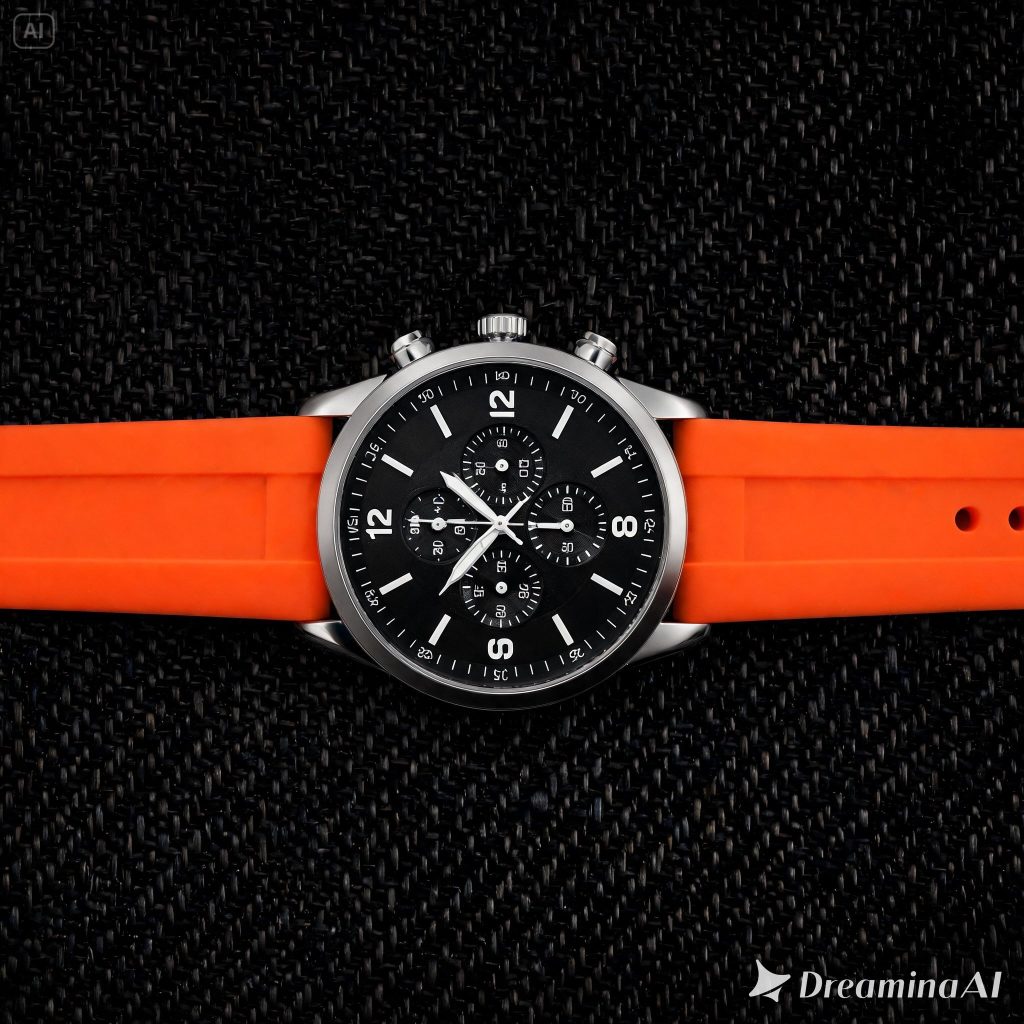
Chronograph watches are known for their stopwatch functionality and sporty appearance. These timepieces often include multiple sub-dials used to measure elapsed time.
Chronographs are popular among professionals, athletes, and watch enthusiasts because they combine practicality with dynamic design aesthetics.
Dive Watches
Dive watches are specifically engineered for underwater performance. Features such as water resistance, luminous markers, rotating bezels, and durable construction make them ideal for aquatic activities.
Even individuals who do not dive professionally appreciate dive watches because of their rugged and adventurous appearance.
Vintage-Inspired Watches
Vintage-inspired watches celebrate classic watchmaking traditions while integrating modern engineering improvements. These watches often feature retro dials, elegant metallic finishes, and timeless proportions.
Collectors and fashion enthusiasts frequently choose vintage-inspired models because they offer sophistication and historical charm.
Minimalist Watches
Minimalist watches focus on clean aesthetics and understated elegance. Slim cases, simple dial layouts, and subtle detailing create refined timepieces suitable for both casual and professional wear.
Minimalist designs have become increasingly popular among younger generations who appreciate modern simplicity.
Materials That Define Luxury Watches
The quality of materials used in luxury watches greatly influences durability, comfort, and appearance.
Stainless Steel
Stainless steel remains one of the most common materials in premium watchmaking because of its durability and polished aesthetic. It provides excellent resistance to corrosion while maintaining timeless elegance.
Titanium
Titanium is lightweight, strong, and highly resistant to scratches and environmental damage. Many modern luxury watches use titanium to improve comfort during extended wear.
Sapphire Crystal
Sapphire crystal is frequently used to protect watch dials because of its exceptional scratch resistance and clarity. Premium timepieces often feature sapphire crystal for enhanced durability and long-lasting appearance.
Leather and Metal Straps
Watch straps significantly influence both comfort and style. Leather straps create a classic formal appearance, while stainless steel bracelets provide modern sophistication and durability.
Watches as Fashion Statements
Luxury watches play a major role in contemporary fashion culture. A carefully selected watch can elevate an outfit and communicate professionalism, ambition, and confidence.
Business executives often wear elegant stainless steel watches during meetings and corporate events because they symbolize discipline and reliability. Fashion enthusiasts may prefer bold chronograph models or futuristic designs to express individuality.
Social media platforms have also increased global interest in luxury watches. Celebrities, athletes, influencers, and musicians regularly showcase premium timepieces as part of their personal image and branding.
Innovation in Modern Watchmaking
Modern watch brands continue pushing the boundaries of technology and design. Consumers increasingly expect luxury watches to combine traditional craftsmanship with innovative features.
Solar-powered systems, advanced water resistance, lightweight materials, and enhanced chronograph functionality are becoming standard in many modern collections. Some brands also explore hybrid smart features while preserving classic analog aesthetics.
At the same time, traditional watchmaking remains highly respected. Many collectors still prefer mechanical artistry and heritage craftsmanship over fully digital experiences.
How to Choose the Right Watch
Choosing the perfect luxury watch requires consideration of several important factors including lifestyle, budget, design preference, and intended use.
Professionals may prefer minimalist stainless steel watches with elegant dial layouts, while adventure enthusiasts may choose dive watches or rugged chronographs.
Consumers interested in sustainability often select solar-powered watches, while collectors may seek vintage-inspired or automatic mechanical timepieces.
Comfort is equally important. The watch should fit properly on the wrist and feel comfortable during extended wear.
Maintaining a Luxury Watch
Proper maintenance helps preserve the functionality and appearance of luxury watches for many years.
Cleaning the watch regularly using a soft microfiber cloth removes fingerprints, moisture, and dust. Water-resistant watches should still avoid unnecessary exposure to harsh conditions unless specifically designed for diving.
Mechanical watches may require periodic servicing to maintain optimal performance. Storing watches in protective cases also helps prevent scratches and accidental damage.
With proper care, a high-quality luxury watch can remain beautiful and reliable for decades.
The Future of Luxury Watches
The future of luxury watchmaking will continue blending innovation with heritage craftsmanship. Sustainable materials, solar-powered movements, lightweight construction, and futuristic aesthetics are becoming increasingly important in the industry.
At the same time, timeless design and mechanical artistry continue attracting enthusiasts and collectors worldwide. The emotional value and craftsmanship behind luxury watches ensure their lasting relevance in modern culture.
Conclusion
Luxury watches continue influencing modern fashion and technology because they represent far more than simple timekeeping devices. They symbolize craftsmanship, precision, ambition, and personal identity. Whether through elegant vintage-inspired designs, bold chronographs, rugged dive watches, or innovative solar-powered models, premium timepieces continue captivating consumers across generations.
As technology evolves and trends change, luxury watches remain timeless symbols of sophistication and achievement. Their ability to combine engineering excellence, artistic beauty, and emotional significance ensures that they will continue holding a special place in the world of fashion and luxury for years to come.
