
Post
The Future of Luxury Watches and Their Influence on Modern Lifestyle-2026
May
The Future of Luxury Watches
Luxury watches have remained iconic symbols of elegance, precision, and sophistication for generations. Even as smartphones and digital devices dominate modern life, premium watches continue attracting global attention because they represent much more than tools for telling time. They combine craftsmanship, engineering, artistic beauty, innovation, and personal identity into a timeless accessory valued across cultures and lifestyles.
Today, luxury watches are worn by professionals, athletes, celebrities, collectors, and fashion enthusiasts worldwide. A well-designed watch communicates confidence, professionalism, and refined taste while also serving as a practical accessory for daily use. From classic vintage-inspired designs to futuristic chronographs and eco-friendly solar-powered models, the luxury watch industry continues evolving while preserving the heritage that defines traditional horology.
Modern consumers appreciate luxury watches not only because of their appearance but also because of the emotional and symbolic value they carry. A premium watch can represent achievement, ambition, and important life milestones. As technology and fashion continue changing, luxury watches remain enduring icons of style and craftsmanship.
The History of Luxury Watches
The history of timekeeping dates back thousands of years. Ancient civilizations relied on natural methods such as sundials, water clocks, and candle clocks to organize daily life. While these inventions were useful, they lacked portability and precision.
The development of mechanical clocks during the Middle Ages transformed timekeeping significantly. By the 16th century, European watchmakers began crafting portable pocket watches powered by intricate spring and gear mechanisms. These early watches were expensive luxury items owned primarily by wealthy individuals and nobility.
The Future of Luxury Watches and Their Influence on Modern Lifestyle
Pocket watches remained popular for centuries until wristwatches became more practical and fashionable during the late 19th and early 20th centuries. Soldiers especially appreciated wristwatches because they allowed convenient access to time while keeping both hands available during military operations.
As industrial production advanced, watches became more reliable, accurate, and accessible. Luxury brands emerged and began competing to create elegant designs, innovative movements, and durable materials. Modern luxury watches continue reflecting the same dedication to craftsmanship and precision established centuries ago.
Why Luxury Watches Remain Popular
Despite the convenience of smartphones and digital devices, luxury watches continue thriving around the world. One major reason is emotional significance. A premium watch often symbolizes achievement, success, and important life events such as graduations, promotions, weddings, or anniversaries.
Unlike electronic gadgets that become outdated quickly, luxury watches can remain valuable and meaningful for decades. Many timepieces are passed down through generations as family heirlooms carrying sentimental and historical importance.
Luxury watches also communicate personality and lifestyle. Minimalist designs may reflect elegance and professionalism, while sporty chronographs often symbolize ambition and confidence. Every detail of a watch contributes to the wearer’s image and self-expression.
Craftsmanship remains another key reason behind the popularity of luxury watches. Skilled watchmakers dedicate years to mastering intricate assembly techniques and movement engineering. Every polished case, refined dial, and mechanical component demonstrates exceptional attention to detail.
Additionally, certain luxury watches serve as investment assets. Rare models and limited-edition collections can increase significantly in value due to exclusivity and collector demand.
Understanding Watch Movements
The movement is the internal mechanism responsible for powering a watch. Different movement technologies offer different experiences and benefits.
Quartz Movement
Quartz watches are powered by batteries and regulated using quartz crystal vibrations. These watches are highly accurate, reliable, and affordable.
Quartz technology revolutionized the watch industry during the late 20th century because it enabled manufacturers to produce precise and dependable watches at larger scales. Modern luxury quartz watches often include chronograph functions, luminous displays, and advanced water resistance.
Quartz watches are ideal for individuals seeking convenience and dependable daily performance.
Automatic Movement
Automatic watches use mechanical systems powered by the natural movement of the wearer’s wrist. Internal rotors wind the mainspring automatically as the wearer moves throughout the day.
Many enthusiasts admire automatic watches because they represent traditional craftsmanship and engineering artistry. Transparent case backs often reveal intricate mechanisms that showcase the complexity of mechanical horology.
Although automatic watches may require periodic servicing, they remain highly respected among collectors and luxury enthusiasts.
Solar-Powered Movement
Solar-powered watches are among the most innovative advancements in modern watchmaking. These timepieces convert natural and artificial light into energy, reducing the need for battery replacements.
Solar-powered luxury watches combine sustainability, convenience, and quartz-level precision. As environmental awareness increases, eco-friendly watches continue gaining popularity worldwide.
Popular Types of Luxury Watches
Modern luxury watches are available in many categories designed for different lifestyles and preferences.
Chronograph Watches
Chronograph watches include stopwatch functionality alongside traditional timekeeping features. Multiple sub-dials measure elapsed time and create a sporty, dynamic appearance.
Chronographs are especially popular among professionals, athletes, and motorsport enthusiasts because they combine practicality with bold aesthetics.
Dive Watches
Dive watches are engineered for underwater performance and rugged durability. Features such as enhanced water resistance, luminous hands, rotating bezels, and reinforced construction make them suitable for challenging environments.
Even individuals who never dive appreciate dive watches because of their adventurous and masculine style.
Vintage-Inspired Watches
Vintage-inspired watches celebrate traditional watchmaking heritage while incorporating modern engineering reliability. These timepieces often feature retro dial layouts, polished metallic finishes, and timeless proportions.
Collectors and fashion enthusiasts appreciate vintage-inspired models because they combine nostalgia with contemporary functionality.
Minimalist Watches
Minimalist watches focus on simplicity, elegance, and clean aesthetics. Slim cases, uncluttered dials, and refined details create versatile accessories suitable for both professional and casual wear.
Minimalist designs remain highly popular among younger generations who appreciate modern sophistication.
Materials Used in Luxury Watches
The materials used in premium watches significantly affect durability, comfort, and visual appeal.
Stainless Steel
Stainless steel is one of the most commonly used materials in luxury watchmaking because of its durability, corrosion resistance, and polished elegance.
Titanium
Titanium is lightweight yet highly durable. Many modern luxury watches use titanium to improve comfort during extended wear.
Sapphire Crystal
Sapphire crystal protects the watch dial from scratches and impacts. Its exceptional hardness and clarity make it ideal for premium timepieces.
Leather Straps
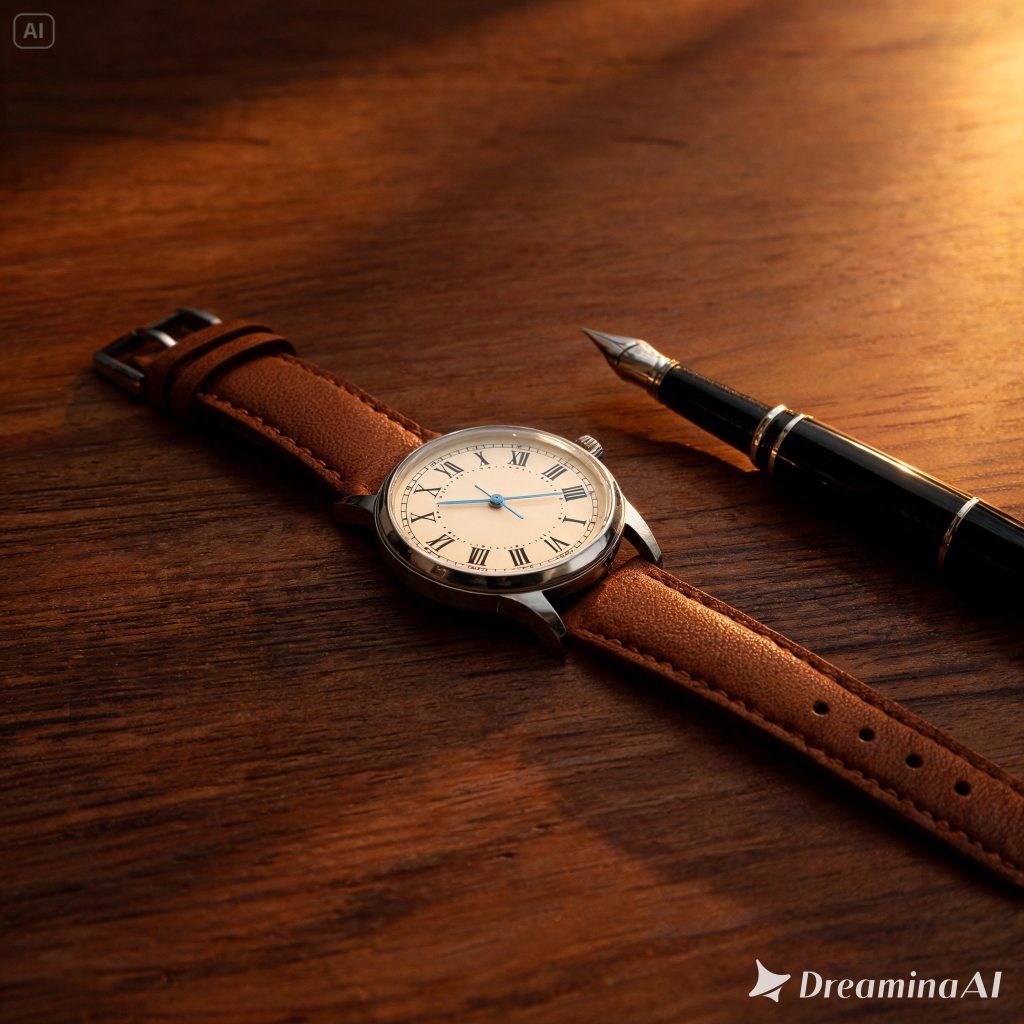
Leather straps create timeless elegance and comfort. They are especially popular for formal and vintage-inspired watches.
Watches as Fashion Statements
Luxury watches play a major role in modern fashion and lifestyle culture. A premium watch can elevate an outfit and communicate confidence, professionalism, and ambition.
Business professionals often wear elegant stainless steel watches during meetings and corporate events because they symbolize reliability and discipline. Fashion enthusiasts may choose bold chronographs or futuristic designs to express individuality.
Celebrities, athletes, and social media influencers have also contributed significantly to the global popularity of luxury watches. Premium timepieces frequently appear in advertisements, movies, and fashion campaigns.
Innovation in the Modern Watch Industry
Modern watch brands continue exploring advanced technologies and creative designs. Consumers increasingly expect luxury watches to combine style with practical functionality.
Solar-powered systems, lightweight materials, enhanced durability, and improved chronograph mechanisms are becoming standard features in many modern collections. Some brands also experiment with hybrid smart technology while preserving traditional analog aesthetics.
Despite technological advancements, traditional craftsmanship remains highly respected. Mechanical artistry and heritage watchmaking continue attracting collectors worldwide.
Choosing the Perfect Luxury Watch
Selecting the ideal luxury watch depends on several important factors including lifestyle, design preferences, functionality, and budget.
Business professionals may prefer elegant minimalist watches suitable for formal attire, while adventure enthusiasts often choose rugged dive watches or sporty chronographs.
Consumers interested in sustainability may select solar-powered watches because of their eco-friendly performance. Collectors frequently prefer automatic or vintage-inspired models because of their craftsmanship and historical significance.
Comfort is equally important. The size, weight, and strap material should suit the wearer’s wrist and daily routine.
Caring for a Luxury Watch
Proper maintenance helps preserve the functionality and appearance of luxury watches for many years.
Cleaning the watch regularly using a microfiber cloth removes fingerprints, dust, and moisture. Water-resistant watches should still avoid unnecessary exposure to harsh conditions unless specifically designed for underwater use.
Mechanical watches may require professional servicing every few years to maintain precision and long-term performance. Storing watches in protective cases also prevents scratches and accidental damage.
With proper care, a luxury watch can remain beautiful and reliable for generations.
The Future of Luxury Watches
The future of luxury watchmaking will continue blending tradition with innovation. Sustainable materials, solar-powered technology, advanced durability, and futuristic aesthetics are shaping the next generation of premium watches.
At the same time, timeless craftsmanship and mechanical artistry continue attracting enthusiasts and collectors worldwide. The emotional value associated with luxury watches ensures their lasting relevance in the modern digital era.
Conclusion
Luxury watches remain timeless symbols of sophistication, craftsmanship, precision, and personal achievement. From vintage-inspired classics to advanced solar-powered chronographs, premium watches continue evolving while preserving the traditions that define luxury horology.
More than simple tools for telling time, luxury watches represent artistry, innovation, and individuality. Whether worn as fashion statements, professional accessories, collectibles, or personal milestones, they continue inspiring admiration across generations.
As technology advances and fashion trends evolve, luxury watches will remain enduring icons of style, engineering excellence, and timeless elegance for many years to come.
