
Post
The Cultural Legacy and Human Meaning of Watches Across Generations-2026
May

The Cultural Legacy
Watches are not just objects that measure time; they are cultural artifacts that carry the legacy of human progress. Across generations, they have served as symbols of discipline, achievement, artistry, and identity. Even as societies evolve and technology reshapes daily life, watches continue to maintain a deep and enduring presence in human culture.
The cultural importance of watches begins with their role in shaping how people perceive time. Before precise personal timekeeping existed, life was organized more loosely around natural cycles. The introduction of portable watches changed this relationship completely. Time became structured, measurable, and personal. This shift influenced work, travel, communication, and even social behavior, creating a more synchronized society.
As watches became more widespread, they also became symbols of personal responsibility. Wearing a watch signaled awareness of time and respect for punctuality. In many cultures, it became associated with maturity and discipline. This symbolic meaning still exists today, even in an era where digital devices can display time instantly. The watch remains a subtle expression of character and mindset.
Beyond function, watches have always been tied to storytelling. Many timepieces are passed from one generation to another, carrying memories and emotional significance. A watch inherited from a parent or grandparent is not just a device but a connection to family history. It becomes a physical representation of time shared, experiences lived, and relationships preserved.
The craftsmanship behind watches plays a major role in their cultural value. Traditional watchmaking requires years of training and experience. Every component must be shaped and assembled with precision. The process demands patience and attention to detail that reflects a deeper philosophy of quality over speed. This dedication transforms watches into lasting creations rather than temporary products.
In contrast to mass-produced objects, a well-crafted watch often feels personal and unique. Even when produced in series, subtle variations and finishing details give each piece its own character. This individuality contributes to the emotional bond between wearer and watch. It becomes more than an accessory; it becomes part of personal identity.
Watches also play an important role in artistic expression. Designers treat the watch as a canvas where form and function must coexist. Dial layouts, case shapes, textures, and materials are carefully chosen to create visual harmony. Some designs emphasize elegance and simplicity, while others explore bold and experimental aesthetics. This diversity allows watches to appeal to different cultural tastes and artistic sensibilities.
The Cultural Legacy and Human Meaning of Watches Across Generations
The influence of watches extends into literature, cinema, and popular culture. They often appear as symbols of power, precision, or emotional depth. A watch in a story can represent urgency, memory, or connection between characters. In visual media, it can serve as a subtle but powerful storytelling device, reinforcing themes of time and destiny.
In modern society, watches have also become part of lifestyle branding. Luxury watches are associated with success and sophistication, while minimalist designs are linked to modern simplicity and efficiency. This association between watches and lifestyle reflects how deeply they are embedded in social perception. A watch is often one of the few personal items that consistently communicates identity without words.
The Cultural Legacy and Human Meaning of Watches Across Generations
The emotional dimension of watches is especially strong in moments of transition. They are often given during important life events such as graduation, career milestones, or personal achievements. These moments give watches symbolic weight. Over time, the watch becomes a reminder of growth, effort, and transformation.
Even in professional environments, watches retain their symbolic importance. They suggest reliability, organization, and attention to detail. While technology has changed how people manage time, the presence of a watch still communicates a sense of professionalism and intention. It shows that the wearer values structure and awareness.
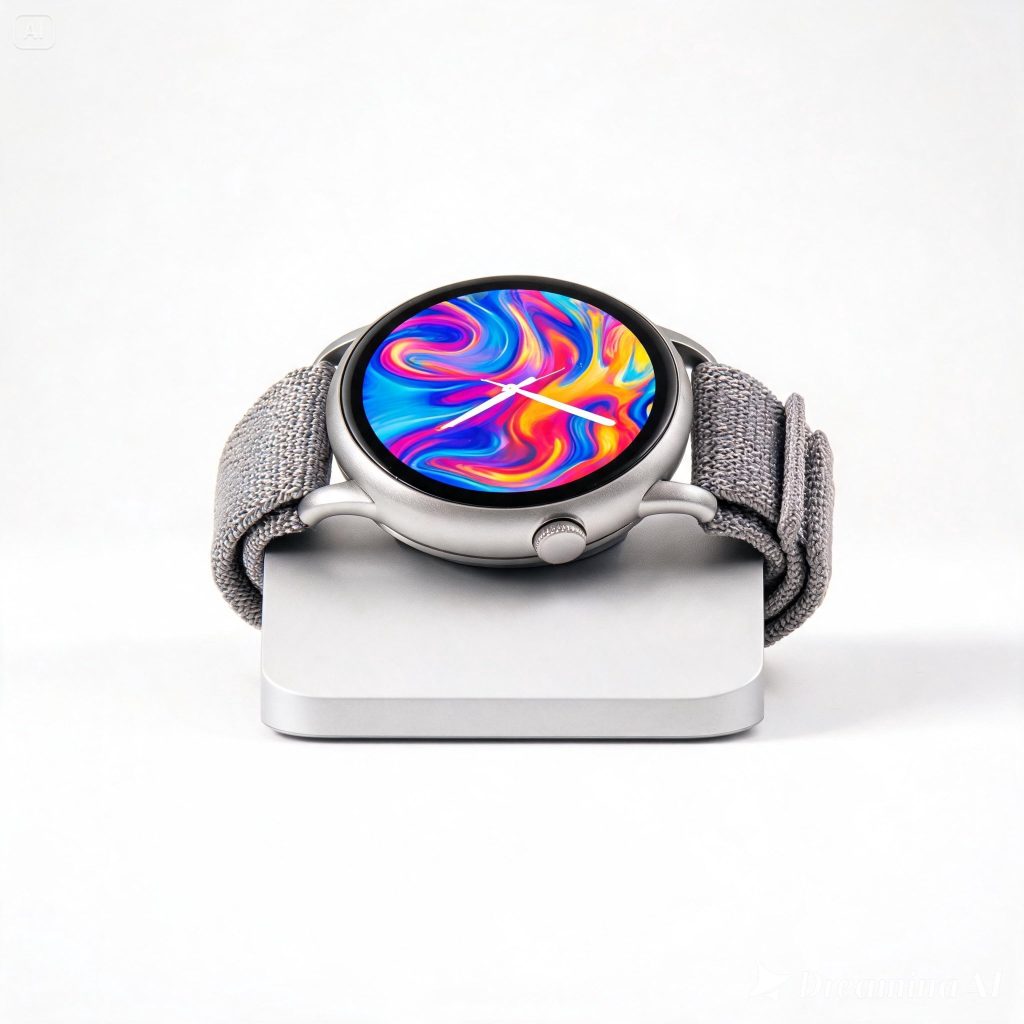
Technological advancement has introduced new dimensions to watch design, but it has not replaced traditional values. Smart watches offer convenience, connectivity, and health monitoring, reflecting the modern demand for integrated digital experiences. However, they coexist with mechanical watches rather than replacing them. Each serves a different purpose and appeals to different aspects of human life.
Mechanical watches continue to represent craftsmanship and permanence. They are valued not only for accuracy but also for the skill required to create them. The absence of electronics gives them a sense of purity and independence. They function through physical energy and mechanical interaction, connecting the wearer to a long history of engineering tradition.
The global watch industry reflects cultural diversity. Different regions contribute unique styles and philosophies to watchmaking. Some emphasize precision and technical excellence, while others focus on artistic design and heritage. This diversity creates a rich global landscape where watches become expressions of cultural identity as well as personal taste.
Sustainability is becoming an increasingly important aspect of modern watchmaking. There is growing awareness of the need for long-lasting design, ethical sourcing, and responsible production. Watches are now being designed with durability in mind, encouraging repair rather than replacement. This shift aligns with broader global values of environmental responsibility and conscious consumption.
The psychological impact of watches is subtle but meaningful. Wearing a watch can create a sense of grounding in time. It encourages awareness of the present moment while maintaining connection to future plans. This balance between awareness and structure helps individuals navigate daily life with more intention.
As society continues to evolve, watches will likely continue to adapt in form and function. However, their core meaning will remain stable. They will always represent a connection between humans and time, between memory and movement, between craftsmanship and identity.
Ultimately, watches are more than tools or accessories. They are cultural symbols that reflect human history, creativity, and emotion. They connect generations, preserve memories, and express individuality. Whether mechanical, digital, or hybrid, watches will continue to hold a meaningful place in human life because they embody something timeless within a constantly changing world.
