
May

Watches as a Legacy of Craft, Memory
Watches occupy a rare space in human culture where utility, artistry, and memory converge. They are not simply devices that measure time, but artifacts that carry human intention across generations. In every era, watches reflect the mindset of the people who create and wear them, becoming silent witnesses to both personal lives and historical change.
One of the most profound aspects of watches is their connection to legacy. Unlike many modern objects that are replaced quickly, a well-crafted watch is designed to endure. It can be repaired, restored, and passed on. This durability allows watches to outlive their original owners, continuing their journey through new hands. In this way, a watch becomes a physical link between generations, carrying stories that cannot be written but are felt through presence.
Why the Rolex Submariner Is the Perfect Investment for Serious Collectors
The idea of inheritance gives watches a deeper emotional dimension. When a watch is passed down, it is not just the object that is transferred, but also its history. Scratches on the surface, worn straps, and aged mechanisms all tell silent stories of time already lived. These imperfections are not flaws but evidence of experience, turning each watch into a personal archive of life.
Craftsmanship is at the core of this legacy. Traditional watchmaking requires an extraordinary level of precision and patience. Each component must be carefully designed and assembled with attention to microscopic detail. This process is not rushed; it is refined over time through experience and discipline. The result is a product that reflects human dedication rather than industrial speed.
The Stunning Mechanical Watches as a Legacy of Craft, Memory Masterpiece Behind the Omega Speedmaster Moonwatch
The value of craftsmanship lies not only in technical skill but also in philosophy. Watchmakers approach their work with a mindset that respects time itself. Every movement inside a mechanical watch represents harmony between energy and control. This balance is achieved through careful engineering, but also through an understanding that perfection is a continuous pursuit rather than a fixed destination.
Watches also embody the concept of continuity. Time flows without interruption, and watches mirror this flow through their constant movement. Whether mechanical or digital, they represent an ongoing process rather than a static object. This continuity connects past, present, and future into a single experience that the wearer interacts with every day.
In modern society, where change happens rapidly, watches provide a sense of stability. They remain consistent in both function and meaning, even as technology evolves around them. This stability makes them emotionally grounding objects. While many aspects of life are temporary or constantly updated, a watch remains familiar and reliable.

The emotional bond between humans and watches often grows silently over time. It is not always immediate or conscious. Instead, it develops through daily interaction. A watch becomes part of routine, part of habit, and eventually part of identity. This gradual integration makes it feel less like an object and more like a companion.
Watches also reflect the human relationship with precision. Measuring time requires accuracy, but achieving accuracy requires discipline. This relationship has shaped centuries of innovation in engineering and design. From early mechanical systems to modern digital sensors, the pursuit of precision has driven continuous improvement in watchmaking.
At the same time, watches also reflect imperfection in a meaningful way. Mechanical timepieces, for example, are never perfectly identical in motion. Slight variations exist due to physical forces and environmental conditions. Rather than diminishing value, these variations highlight the living nature of mechanical systems. They remind us that precision exists within limits, not outside of them.
Watches as a Legacy of Craft, Memory
Design philosophy in watches often balances function and emotion. Every element must serve a purpose while also contributing to visual harmony. This balance is what makes watch design so unique. It is not purely artistic, nor purely technical, but a combination of both disciplines working together.
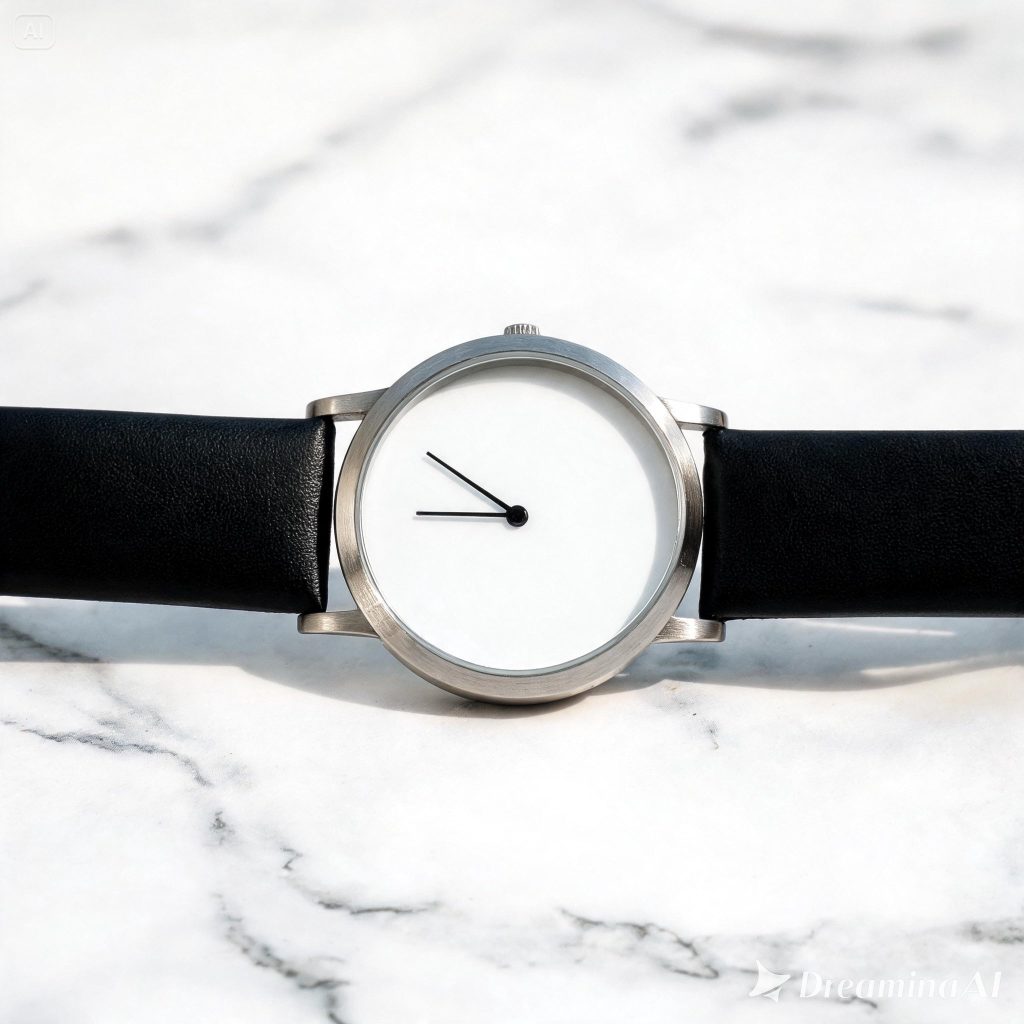
Minimalist designs emphasize clarity and restraint. They remove unnecessary elements to focus on essential structure. This approach reflects a modern appreciation for simplicity and efficiency. In contrast, more complex designs celebrate detail, depth, and mechanical visibility, revealing the inner workings of the watch as part of its aesthetic expression.
The relationship between watches and human emotion is often subtle but powerful. A watch can become associated with specific moments in life, such as achievements, transitions, or relationships. These associations create emotional layers that accumulate over time. The watch becomes a vessel of memory, carrying emotional weight that increases with use.
In professional environments, watches continue to play a quiet but meaningful role. They signal awareness of time, attention to detail, and respect for structure. While digital devices can provide similar information, they do not carry the same symbolic presence. A watch communicates intention without interruption, blending seamlessly into personal presentation.
The global nature of watchmaking adds another dimension to its significance. Different cultures interpret time and design in unique ways, resulting in diverse styles and philosophies. Some traditions emphasize precision and engineering excellence, while others focus on artistic expression and symbolic meaning. This global diversity enriches the identity of watches as a whole.
Watches as a Legacy of Craft, Memory
Technological advancement continues to reshape the industry, but it does not erase tradition. Instead, it creates new possibilities for integration and innovation. Hybrid watches combine mechanical craftsmanship with digital intelligence, offering a bridge between two worlds. This evolution reflects a broader trend in which tradition and technology coexist rather than compete.
Sustainability has also become an important consideration in modern watchmaking. There is growing awareness of the need to design products that last longer and reduce environmental impact. Durable materials, repairable structures, and responsible sourcing are becoming key principles. This shift reinforces the idea that value is not only measured by performance but also by longevity.
Psychologically, watches help structure human experience of time. They create a visible framework within which daily life unfolds. This structure can influence behavior, encouraging planning, focus, and awareness. Even without conscious attention, the presence of a watch can shape how time is perceived and managed.
At a deeper level, watches reflect the human desire to find meaning in time. Time itself is neutral, but human experience gives it emotional significance. Watches translate this abstract concept into something tangible, allowing individuals to interact with it in a personal way.
Ultimately, watches are not defined by a single function or feature. They are defined by their ability to carry meaning across time. They connect individuals to history, to memory, and to identity. They exist as both tools and symbols, both machines and stories.
A watch continues to move even when everything else changes. In that quiet movement, it represents continuity, memory, and human presence.
