
Post
Watches as a Bridge Between Tradition, Innovation, and Human Emotion-2026
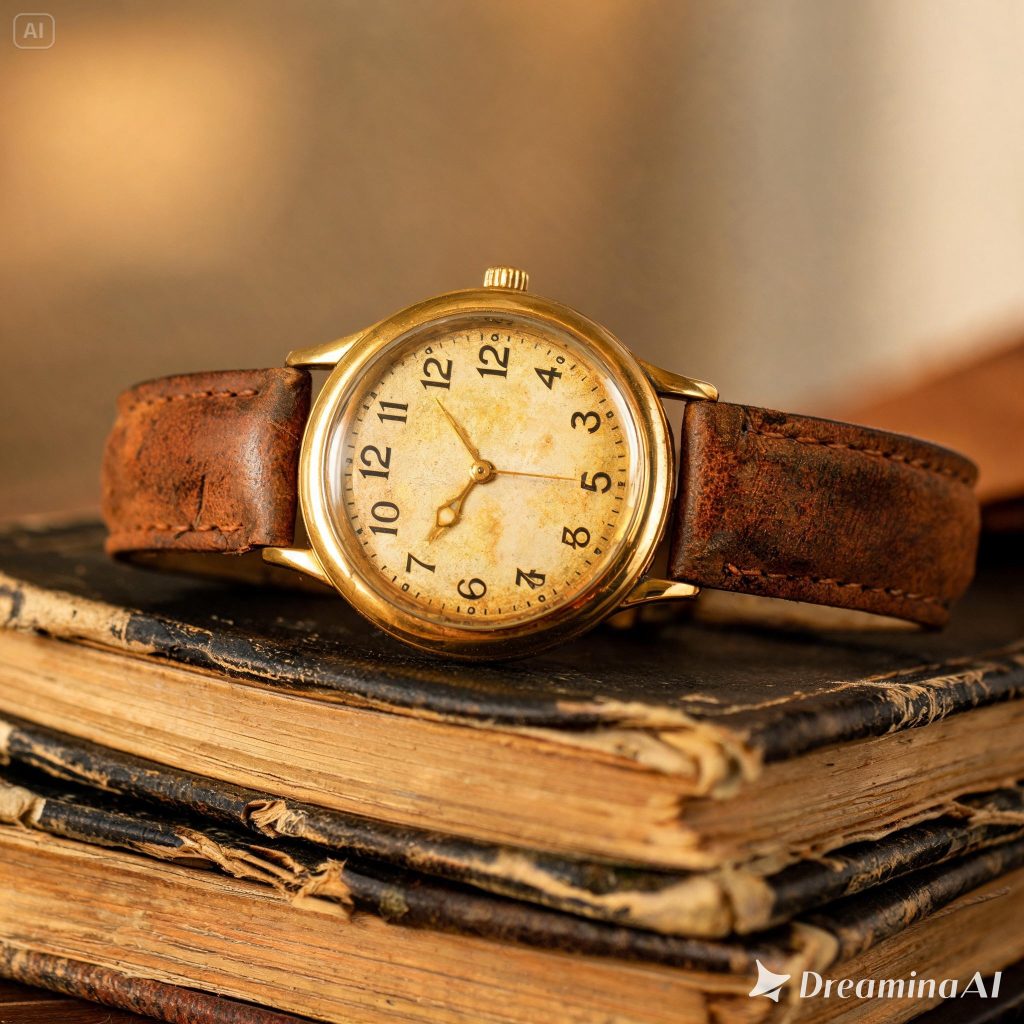
May

Watches as a Bridge Between Tradition
Watches exist at a unique intersection where tradition meets innovation and where engineering meets emotion. Few objects in human history have managed to preserve their original purpose while continuously adapting to new technologies and cultural expectations. This ability to evolve without losing identity is what makes watches enduring symbols of human creativity.
Tradition in watchmaking is deeply rooted in centuries of accumulated knowledge. Early watchmakers worked with limited tools, relying on observation, experimentation, and manual skill. Their innovations laid the foundation for modern horology. Many of the principles developed in those early stages are still used today, proving that true craftsmanship can remain relevant across time.
Innovation in watches, however, has never stopped. Each generation has introduced new materials, mechanisms, and design philosophies. From improvements in accuracy to the introduction of electronic components, watches have continuously expanded their capabilities. This constant evolution reflects humanity’s drive to refine and improve even the smallest aspects of daily life.
One of the most significant developments in modern watchmaking is the integration of advanced engineering techniques. Precision manufacturing allows components to be produced with extreme accuracy, reducing friction and improving durability. Computer-aided design has also transformed how watches are conceptualized, enabling more complex structures and innovative layouts that were previously impossible to achieve.
Despite these technological advances, the emotional core of watches remains unchanged. A watch is often chosen not just for what it does, but for how it feels. The connection between wearer and timepiece is shaped by aesthetics, weight, texture, and movement. These sensory details create an experience that goes beyond function, forming a bond that is both personal and lasting.
Watches also serve as markers of personal milestones. Many people associate specific timepieces with important phases in their lives. A first professional watch may represent the beginning of a career. A gifted watch may symbolize appreciation or love. A collected watch may reflect passion or achievement. Over time, these associations build a layered emotional narrative connected to the object itself.
The concept of time in watches is both mechanical and emotional. Mechanically, time is measured through precise and predictable movements. Emotionally, however, time is experienced subjectively. Moments of joy feel brief, while periods of difficulty may feel extended. Watches exist at the intersection of these two perceptions, translating an abstract experience into a structured format.
Design innovation in watches continues to push boundaries while respecting heritage. Contemporary designers often experiment with transparency, asymmetry, and unconventional materials. These creative choices challenge traditional norms while maintaining functional integrity. At the same time, classic designs remain popular because they offer familiarity, balance, and timeless appeal.
Watches as a Bridge Between Tradition, Innovation, and Human Emotion
The cultural role of watches varies across different societies, but a common theme is their association with value and respect for time. In many cultures, punctuality is considered a sign of discipline and respect. A watch reinforces this value by making time constantly visible and accessible. It becomes a quiet reminder of responsibility in both personal and professional contexts.
In luxury watchmaking, exclusivity plays an important role. Limited production, handcrafted details, and refined finishing techniques create a sense of rarity and distinction. However, modern luxury is no longer defined only by price or exclusivity. It also includes craftsmanship, storytelling, and emotional connection. A luxury watch is increasingly seen as a personal statement rather than just a status symbol.
The rise of digital technology has introduced new challenges and opportunities for traditional watches. While smart devices offer multifunctional capabilities, they also change how people interact with time. Notifications, apps, and constant connectivity create a different relationship with attention and focus. In contrast, traditional watches offer a simpler and more stable experience, free from digital interruption.
This contrast has led to a renewed appreciation for analog timepieces. Many people now view mechanical watches as a form of digital detox, offering a more mindful way of engaging with time. Instead of being overwhelmed by information, the wearer experiences time in its purest form, without distraction or complexity.
Sustainability is becoming increasingly important in modern watchmaking. Manufacturers are exploring ways to reduce environmental impact through responsible sourcing and durable design. The focus is shifting from short-term consumption to long-term value. A well-made watch is designed to last for decades, reducing the need for frequent replacement and encouraging preservation over disposal.
The emotional durability of watches is closely linked to their physical durability. A watch that lasts for years often becomes part of a person’s identity. It adapts to the wearer’s life, accumulating meaning through experience. This long-term relationship is rare in modern consumer culture, where many products are designed for short usage cycles.
Watches also play a subtle role in human psychology. They help structure time perception and encourage awareness of the present moment. Even without conscious attention, the presence of a watch can influence behavior, promoting organization and discipline. This influence is gentle but consistent, shaping daily habits over time.
In creative fields, watches are often seen as expressions of individuality. Artists, designers, and innovators choose watches that reflect their personal vision. The watch becomes part of their aesthetic language, complementing their identity and creative output. In this context, watches function as both tools and symbols of inspiration.
The global watch industry continues to evolve through collaboration and competition. Different regions contribute unique approaches to design and engineering, creating a diverse and dynamic landscape. This global exchange of ideas drives innovation while preserving cultural identity within watchmaking traditions.
As technology advances, the boundary between traditional and modern watches continues to blur. Hybrid designs combine mechanical craftsmanship with digital enhancements, creating new categories of timepieces. These innovations reflect a future where watches are no longer defined by a single function but by adaptability and integration.
Ultimately, watches remain powerful symbols of continuity in a changing world. They connect past traditions with future possibilities, physical craftsmanship with digital intelligence, and personal identity with universal time. Their significance lies not only in what they measure, but in what they represent.
A watch is more than an object on the wrist. It is a reflection of human progress, a carrier of memory, and a companion through time. It reminds people that while everything around them changes, the experience of time remains constant, and how they choose to live within it defines their story.
