
Post
Watches as a Fusion of Technology, Art, and Human Expression-2026
May

Watches as a Fusion
Watches occupy a rare position in the modern world where utility meets emotion, and engineering meets artistry. Even as society becomes increasingly digital, the wristwatch continues to thrive as a meaningful object that represents far more than timekeeping. It stands as a symbol of human progress, refined taste, and the enduring appreciation of craftsmanship in a fast-paced technological era.
The essence of a watch lies in its ability to transform time into something visible, tangible, and personal. While time itself is abstract and continuous, a watch translates it into a structured visual language that humans can easily interpret. This transformation is not merely functional; it is deeply philosophical. It reflects humanity’s long-standing desire to understand, control, and appreciate the passage of time.
The mechanical watch is often considered the purest form of horological artistry. Inside its compact structure exists a miniature universe of motion and precision. Each component plays a specific role, from energy storage to regulation and display. The interaction between these parts creates a rhythmic flow that mirrors the passage of time itself. This complexity is achieved without electronic assistance, relying entirely on physical engineering and meticulous calibration.
The creation of such a mechanism requires extraordinary craftsmanship. Watchmakers must possess not only technical knowledge but also patience, discipline, and a deep respect for precision. Every component is shaped, adjusted, and assembled with extreme care. Even microscopic imperfections can affect performance. This level of attention transforms watchmaking into a discipline that blends engineering with artistry in a way few other fields can match.
Beyond mechanics, watches carry a strong sense of identity. They are among the few accessories that people wear consistently over long periods, making them deeply personal objects. A watch becomes part of the wearer’s daily rhythm, silently accompanying them through routines, challenges, and achievements. Over time, it absorbs emotional significance, becoming more than a possession and evolving into a companion of life experience.
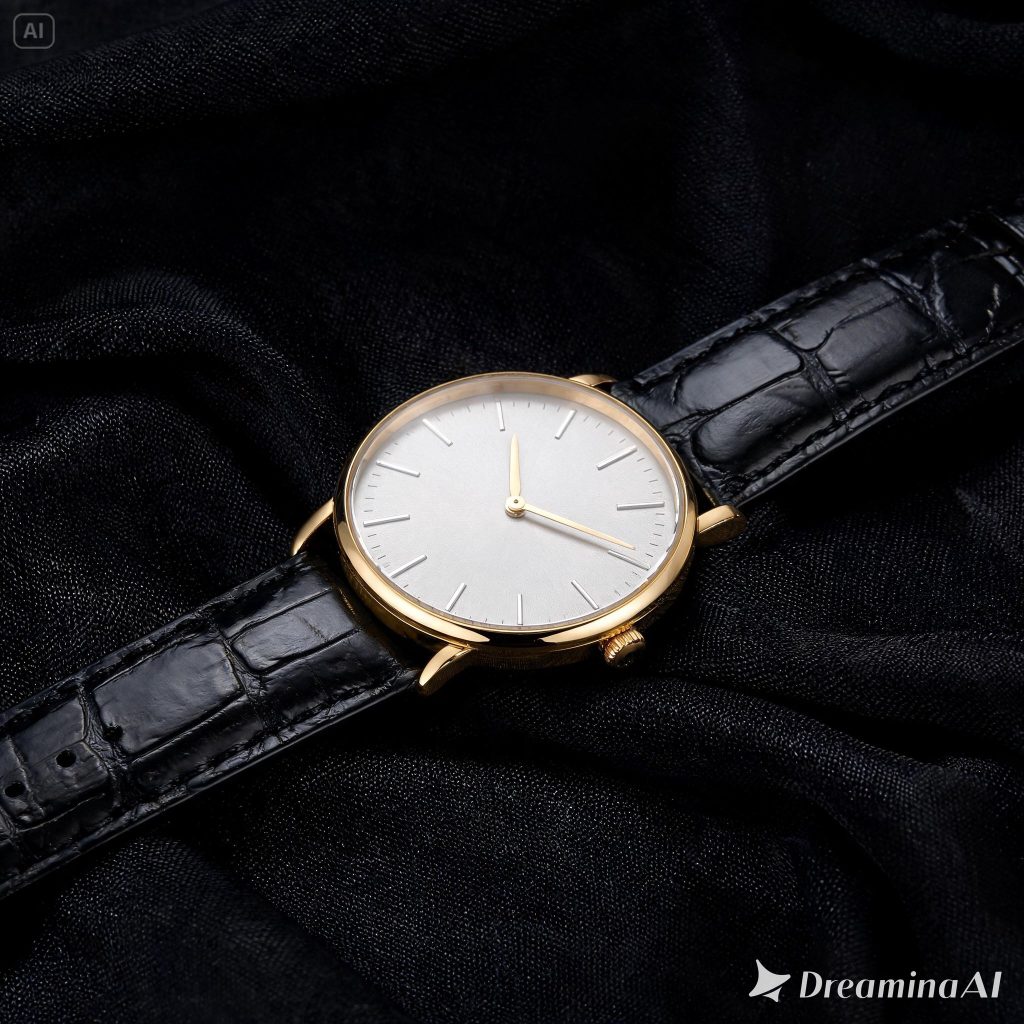
Design plays a central role in how watches communicate identity. Some designs prioritize minimalism, using clean lines, subtle textures, and balanced proportions. These watches often appeal to individuals who value simplicity and clarity. Others embrace complexity, incorporating detailed dials, layered structures, and bold visual elements. These designs express creativity, confidence, and individuality. The diversity of design language ensures that watches can reflect a wide range of personalities and lifestyles.
Watches as a Fusion of Technology, Art, and Human Expression
Materials further enhance this expression. Metal cases provide strength and permanence, often associated with reliability and endurance. Leather straps introduce warmth and tradition, evoking a sense of heritage and refinement. Modern materials such as ceramic and titanium offer advanced durability while maintaining lightweight comfort. Some watches incorporate precious materials that elevate them into luxury objects, emphasizing exclusivity and prestige. Each material choice contributes to both aesthetics and experience.
The emotional connection between humans and watches is particularly significant. A watch is often given during meaningful life events, such as achievements, transitions, or celebrations. It becomes a physical reminder of those moments, carrying memories that deepen over time. Unlike many modern objects that are replaced frequently, a watch can remain constant throughout life, gaining sentimental value with each passing year.
In professional environments, watches serve as subtle indicators of character. They communicate punctuality, discipline, and attention to detail without the need for words. A carefully chosen timepiece can enhance a person’s presence, complementing attire and reinforcing a sense of professionalism. Even in an age dominated by digital devices, the watch maintains its role as a symbol of refinement and responsibility.
The evolution of watch technology has expanded the meaning of timepieces. Mechanical watches represent tradition and craftsmanship. Quartz watches introduce precision and convenience through electronic regulation. Digital watches emphasize functionality and readability. Smart watches integrate connectivity, health tracking, and interactive features. Despite these innovations, traditional watches continue to hold a distinct appeal rooted in emotion, heritage, and design purity.
Collectors often approach watches with a deep sense of passion and curiosity. Each timepiece represents a story involving design philosophy, historical context, and technical achievement. Some watches are valued for their rarity, while others are admired for their innovation or cultural significance. Collecting becomes an ongoing journey of exploration, where knowledge and appreciation grow alongside each acquisition. The emotional attachment formed between collector and watch often surpasses financial considerations.
The cultural significance of watches extends across different societies and traditions. In many cultures, a watch symbolizes achievement, maturity, or transition into a new stage of life. It may be presented during milestones such as graduation, career advancement, or personal success. These associations elevate watches beyond functional objects, transforming them into symbols of progress and memory.
Fashion also plays an important role in shaping watch trends. Minimalist designs have gained popularity due to their versatility and modern aesthetic appeal. Vintage inspired models continue to attract those who appreciate historical charm and classic styling. Bold contemporary designs appeal to individuals who prefer expressive and unconventional looks. Despite changing trends, watches remain a stable element of personal fashion.
Psychologically, wearing a watch influences how individuals perceive time. It encourages awareness of moments and promotes a structured approach to daily life. Unlike passive time checking on digital devices, a watch creates an intentional relationship with time. This awareness can foster discipline, improve focus, and enhance productivity. It subtly reminds the wearer that time is both finite and valuable.
Luxury watches represent the highest expression of horological mastery. They are created through highly specialized processes that combine traditional techniques with modern innovation. Each component undergoes meticulous finishing and assembly. The result is not only a functional instrument but also a piece of wearable art. Luxury watches often represent heritage, prestige, and exceptional craftsmanship passed through generations.
Sustainability has become increasingly relevant in the watch industry. Many manufacturers are now exploring environmentally conscious materials and ethical production methods. Durability and repairability are emphasized to extend product life cycles and reduce waste. This shift reflects a broader awareness of environmental responsibility and long term value in design philosophy.
Modern watch design continues to evolve while respecting its historical roots. Designers experiment with new concepts, materials, and structures while preserving essential principles of readability and balance. This combination of innovation and tradition ensures that watches remain relevant in contemporary culture while honoring their origins.
The psychological impact of watches extends beyond functionality. They can represent ambition, discipline, or personal values. Some individuals choose watches that reflect subtle elegance, while others prefer bold designs that express confidence and individuality. In this way, a watch becomes an extension of personality, quietly communicating identity to the world.
Maintenance and longevity are also essential aspects of ownership. Mechanical watches require periodic servicing to ensure continued precision and smooth operation. Skilled technicians carefully inspect, clean, and adjust internal components to preserve performance. This process reinforces the idea that a watch is not disposable but designed for long term use and appreciation.
Even in a rapidly changing technological landscape, watches continue to maintain their relevance. While digital devices offer convenience and multifunctionality, they lack the emotional depth and craftsmanship associated with traditional timepieces. A watch provides a different kind of value, one rooted in permanence, aesthetics, and personal connection.
Ultimately, watches represent a harmonious blend of science, art, and human experience. They connect mechanical precision with emotional meaning, historical tradition with modern innovation. Whether admired for their engineering complexity, visual elegance, or symbolic significance, watches continue to hold a timeless place in human culture, reflecting both who we are and how we experience time itself.
