
Post
The Enduring Value of Watches in a Digital World-2026
May

The Enduring Value
In a time where technology dominates nearly every aspect of daily life, the traditional wristwatch continues to hold a unique and respected position. While smartphones and smart devices can display time with absolute precision, the watch remains far more than a tool for checking hours and minutes. It represents tradition, craftsmanship, personal taste, and a quiet form of expression that digital screens cannot replace.
The significance of watches begins with their long historical journey. Before modern technology, humanity relied on mechanical innovations to understand time. Early timekeeping instruments were large and complex, gradually evolving into portable devices that could be worn on the body. This transformation marked a major milestone in human engineering. Watchmakers dedicated centuries to refining accuracy, durability, and design, turning timepieces into both scientific instruments and works of art.
At the core of a mechanical watch is an intricate system that reflects exceptional engineering skill. Inside the small case, dozens or even hundreds of tiny components interact continuously. Energy is stored, released, and regulated through carefully designed mechanisms. Every movement is controlled with precision, allowing the watch to maintain consistent rhythm over time. This delicate balance between complexity and reliability is what makes mechanical watches so admired.
What sets watches apart from other accessories is their emotional depth. A watch is often connected to personal moments and memories. It may be received as a gift during an important milestone or purchased to mark a significant achievement. Over time, it becomes a silent companion, accompanying its wearer through daily experiences, challenges, and successes. Unlike many modern items that are quickly replaced, a watch can carry meaning that grows stronger with time.
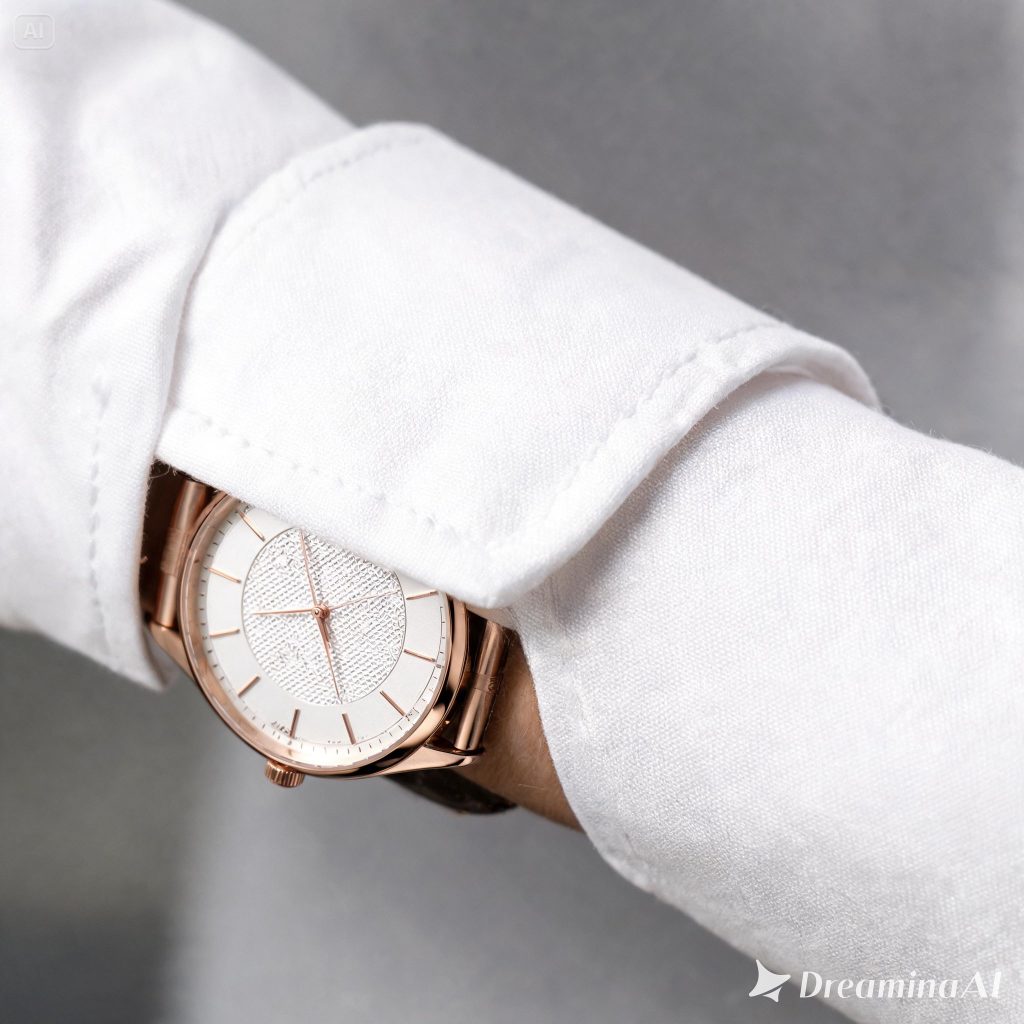
The aesthetic design of watches plays a major role in their appeal. Some watches emphasize minimalism, focusing on clean surfaces, balanced proportions, and subtle details. These designs are often chosen by individuals who appreciate elegance and simplicity. Other watches are more expressive, featuring bold shapes, detailed textures, and visually striking elements. These designs appeal to those who enjoy standing out and making a statement. The wide range of styles ensures that watches can suit many different personalities.
Materials used in watchmaking contribute significantly to both appearance and function. Metals such as stainless steel provide strength and a timeless look. Leather straps add a sense of tradition and comfort, often associated with classic fashion. Advanced materials like titanium and ceramic offer lightweight durability and modern aesthetics. Some watches incorporate luxurious materials that elevate them into high-end pieces of craftsmanship. Each material choice influences how the watch feels, looks, and performs.
Beyond physical design, watches also reflect cultural and social values. In many societies, wearing a watch is associated with discipline, professionalism, and respect for time. It suggests that the wearer values structure and responsibility. In professional settings, a well-chosen watch can enhance appearance and communicate attention to detail. Even in casual environments, it remains a subtle indicator of personal style and awareness.
The Enduring Value of Watches in a Digital World
The evolution of watch technology has introduced different categories of timepieces, each serving distinct purposes. Mechanical watches are admired for their traditional craftsmanship and intricate movement. Quartz watches offer practical accuracy and low maintenance. Digital watches focus on functionality and ease of use. Smart watches integrate modern technology, combining timekeeping with communication, fitness tracking, and connectivity. Despite these advancements, traditional watches continue to maintain their relevance due to their emotional and aesthetic value.
Watchmaking is widely regarded as one of the most demanding crafts in the world. The creation of a high quality timepiece requires patience, precision, and deep technical knowledge. Skilled artisans spend years mastering the ability to assemble and adjust microscopic components. Every detail must be carefully controlled to ensure smooth operation. This dedication transforms watchmaking into a discipline that blends science with artistry.
Collectors often view watches as meaningful investments rather than simple possessions. Certain timepieces gain value over time due to rarity, craftsmanship, or historical importance. Limited production models and unique designs often attract strong interest among enthusiasts. For collectors, each watch tells a story that includes its origin, design philosophy, and place in horological history. The act of collecting becomes a journey of appreciation and discovery.
Watches also influence how people experience time in their everyday lives. Wearing a watch creates a continuous awareness of time passing. This awareness can encourage better organization, improved focus, and greater discipline. Instead of passively checking a device, the wearer develops a more intentional relationship with time. This subtle effect can positively shape habits and routines.
In the world of fashion, watches are essential accessories that complete personal style. They can complement formal attire, enhance casual outfits, or serve as standout pieces in creative expression. Fashion trends influence watch design, leading to shifts in popularity between minimalist, vintage inspired, and modern futuristic styles. Despite changing trends, the watch remains a stable element of personal presentation.
The psychological connection between individuals and watches is also meaningful. A watch can represent identity, ambition, or personal values. It becomes part of how a person presents themselves to the world. Some individuals prefer understated designs that reflect humility and simplicity, while others choose bold designs that express confidence and individuality. This personal connection gives watches a unique emotional dimension.
Luxury watches represent the highest level of craftsmanship and exclusivity. These timepieces are often created through highly detailed and labor intensive processes. Each component is carefully finished, assembled, and tested to ensure perfection. Luxury watches are not only functional objects but also artistic creations that reflect heritage, prestige, and innovation. They are often passed down through generations, becoming part of family history.
Modern watch design continues to evolve while respecting tradition. Designers experiment with new shapes, materials, and concepts while preserving the essence of timekeeping. Some designs focus on futuristic aesthetics, while others draw inspiration from historical models. This balance between innovation and tradition keeps the industry dynamic and relevant.
Sustainability has become an increasingly important focus in watch production. Many manufacturers are exploring environmentally responsible materials and ethical sourcing practices. There is also a growing emphasis on durability, encouraging long lasting products that reduce waste. Repairability and longevity are becoming key values in modern watchmaking philosophy.
Watches also play a role in emotional storytelling. They are often associated with important life events such as graduation, career advancement, or personal achievements. These associations transform watches into symbols of memory and experience. Over time, the emotional value of a watch can become far greater than its physical or monetary worth.
Even in a world dominated by digital technology, watches continue to offer something unique. They provide a sense of permanence in an environment of constant change. While devices may evolve rapidly, a watch remains steady, reliable, and familiar. It connects the present with a long history of craftsmanship and human ingenuity.
Ultimately, watches represent a combination of art, engineering, and personal meaning. They are functional yet expressive, traditional yet evolving, simple yet deeply complex. Whether admired for their mechanical precision, aesthetic beauty, or emotional significance, watches continue to hold a lasting place in human life and culture.
